Story highlights
-
The challenge
Know who you’re targeting
Messaging converts when it’s built on a clear persona of the candidate.
Watch at 1:02 -
The solution
Competitor and market data in EZ Insights
Craig maps where competitors’ nurses come from, plus attrition, titles, skills and education.
Watch at 2:46 -
The result
A go-to-market plan for talent
The data even shows when to recruit: October and November for these nurses.
Watch at 5:39
How Craig Fisher builds candidate personas with competitor and talent market data
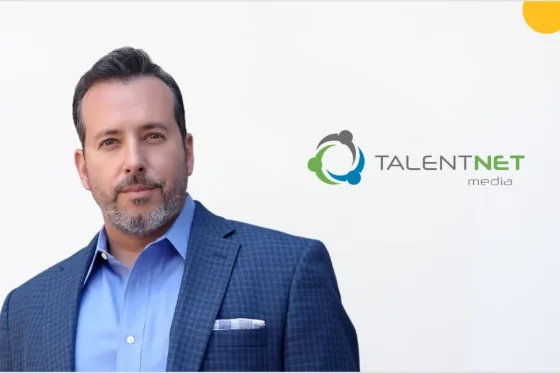
Craig Fisher started his career in healthcare, as a drug rep and then a hospital sales rep, before he was drafted into physician recruiting. He went on to own a staffing firm, and for the last 15 years has been a consultant to large and small employers. In this speakEZ, the TalentNet Media founder uses EZ Insights from hireEZ to build a candidate persona for nurses in his area of Texas.
Every recruiting strategy starts with a persona
Craig helps employers hire better, attract more of the right talent and fix their processes and technology. It all starts with knowing the candidate:
“To understand who you’re targeting, and write messaging that will convert well, you really want to find out as much as you can about that candidate.”
That means their market segment, skills, degrees and certifications, and even where they hang out online and what their habits are. That information is spread across many places, but EZ Insights brings it together. Read more about the approach in The shift from job descriptions to candidate personas.
Competitor insights: where your candidates work today
In Craig’s example, he’s recruiting nurses for DaVita Kidney Care. So he generates insights on nurses at its competitor, Fresenius Medical Care, in his ZIP code, and excludes DaVita.
The report breaks the market down between Dallas and Fort Worth. It shows the companies those nurses come from, including Brookdale, HealthTrust, U.S. Renal Corporation and Texas Oncology, plus talent inflow and outflow, specific nursing titles, attrition over the years, diversity, experience and education.
With that, Craig fills in a persona map and starts making assumptions about candidates’ needs, hopes and dreams. Then he takes it to the employer:
“This is the type of messaging that we need to say about the authentic culture and benefits of working for our company, that answers their needs and desires, hopes and dreams.”
Talent market insights: when and where to recruit
Another approach is to start broad, with just a job title and location. For nurses in his area, EZ Insights shows which regions have talent available, how many professionals match, and what percentage changed jobs over the last 12 months:
“This is very interesting information for any employer that’s saying, we need to hire X number of nurses in a specific area.”
It even shows the best time to recruit. For these nurses, October and November is high season. Add skills, experience, diversity and education data, including local schools and majors for university recruiting, and Craig has what he needs:
“So we can dial this in really tight, and get the information we need to generate the messaging and the go-to-market strategy for attracting this kind of talent.”
 Craig FisherFounder, TalentNet Media
Watch at 6:36
Healthcare is a really good use case, he says, but the same approach works for technology professionals, salespeople and just about any role. For nurse hiring specifically, see Nurse workforce planning with talent market data: A guide for health systems.
Key moments
Transcript
Craig Fisher, Founder of TalentNet Media. From the video’s captions, edited for readability.
Hi, my name is Craig Fisher, and welcome to my speakEZ.
I began my career, out of the University of Oklahoma, in the healthcare industry. I was actually a drug rep, and then a hospital sales rep, and then I got drafted into physician recruiting. And as we all know, we accidentally get into recruiting, and we never get out. And so since then, I’ve been in technical recruiting. I’ve done both sides of the desk in staffing, big staffing, as a leader and owner in the space. I owned a staffing firm for many years, and for the last 15 years, I’ve been a consultant to large and small employers who need to hire better, attract more of the right talent, and fix their processes and their technology, so that it’s a seamless process that has a high conversion rate.
To do that, you really need to build a persona of who that candidate is. To understand who you’re targeting, and write messaging that will convert well, you really want to find out as much as you can about that candidate: about the market segment, about their skills, where they hang out online, what their habits are, what their degrees are, what their certifications are. All of these things can be found in various places, but EZ Insights from hireEZ makes it a snap. So we’re going to do that today. We’re going to build a candidate persona with EZ Insights.
Today, we’re going to pretend that we’re doing a search for nurses for DaVita Kidney Care, and we’re going to try to gain insights on their competitor, Fresenius, right? So we’re going to come to the Insights page, and the company we’re going to generate insights about is going to be Fresenius Medical Care. And we’re going to exclude information about DaVita. Job title is going to be nurse, and locations are going to be, we’ll just call it my area. And we can add multiple additional skills if we want to, and we can exclude certain skills. But we’re going to generate insights now. It’s basically all the information we might need to know about nurses who work for Fresenius in my ZIP code.
The insights are pretty interesting. It gives us a breakdown between Dallas and Fort Worth, and so we’re definitely generating insights from around my ZIP code. Where are the companies that these nurses come from? Brookdale, HealthTrust, U.S. Renal Corporation and Texas Oncology. Inflow and outflow. We do get some information that’s fairly interesting about their titles, what specific types of nurses they are, as well as attrition of the workforce over the years. So when was demand high? When was it low? What’s the breakdown of diversity of these candidates? Once we start filling in some of this information, we can break it down even further. We can just go to company or location, right? Get pretty specific. Talent moves: where are these people coming to and going from. Attrition, years of experience and education.
We can start filling in a persona map like this one, right? And then start making assumptions about the needs, hopes and dreams of the candidates that we’re generating the insights about. And when we do that, then we can say to our customer or our employer, “Listen, these are the people that we’re searching for. These are the insights about those people. And this is the type of messaging that we need to say about the authentic culture and benefits of working for our company, that answers their needs and desires, hopes and dreams.”
Another way that people use insights is to kind of go bigger with the job title first, and not try to narrow it down by company, or by excluding a specific company. And so if we just have nurse and a location, and generate insights, then we’re going to be able to see which regions these talents are available in, how many filtered professionals are in the area and, over 12 months, what percentage of them changed jobs. This is very interesting information for any employer that’s saying, we need to hire X number of nurses in a specific area. And call it what you want: you can use this information for technology professionals, for salespeople. Healthcare is a really good use case for this, but check it out and play with it for just about any type of role that you’re searching for.
So if we look at the overview for a nurse in my location, we get very interesting insights about where we can recruit them from, what the percentages are at those locations, and when is the golden time to recruit these candidates. So these stars represent the best time to recruit these nurses, and it turns out October and November is high season. These are the specific skills that nurses with this title have. And then we can go to years of experience, check out diversity. If we want to do university recruiting, we can check out education and get specific schools in the area, and what their majors are. So we can dial this in really tight, and get the information we need to generate the messaging and the go-to-market strategy for attracting this kind of talent.
So that’s my speakEZ. I hope you learned something valuable from it. I have collated some of the best examples and case studies from the work I do at TalentNet Media, with large employers and small employers, in a book called Hiring Humans. You can find out more about that book at Hiring-Humans.com. And if you’d like to reach out to me, if you have any questions, or would like to do some work together, you can find me at TalentNetLive.com, and I’m available everywhere on social media. I’m really easy to find. My SEO is good. Let’s connect.